Overview
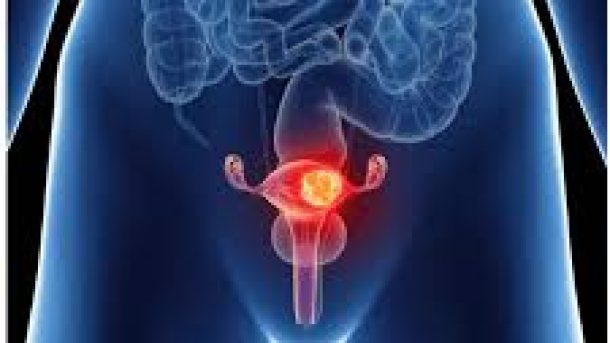
Uterine fibroids are common, noncancerous (benign) tumors that grow in or on the uterus. An estimated 40%–80% of people with a uterus will develop fibroids during their lifetime. They occur most often between the ages of 30 and 50 years.
Fibroids are rare in people who have not yet begun menstruation and are less common after menopause. Not all fibroids cause symptoms; however, when symptoms occur, they may affect quality of life.
What Are Uterine Fibroids?
Uterine fibroids, also known as leiomyomas, are growths made of muscle and connective tissue that form within or on the uterine wall. They are the most common benign tumor of the female reproductive system.
Some individuals may have fibroids without any symptoms and may only discover them during a routine medical examination. Treatment depends largely on the type, size, location, and symptoms caused by the fibroids.
Where Do Fibroids Grow?
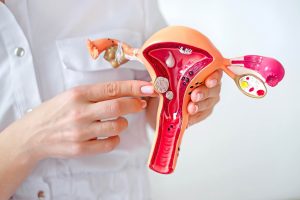
Fibroids may grow:
-
As a single growth or in clusters
-
In sizes ranging from 1 millimeter to over 20 centimeters
-
As small as a seed or as large as a watermelon
They can develop:
-
Within the muscular wall of the uterus
-
Inside the uterine cavity
-
On the outer surface of the uterus
Types of Uterine Fibroids
Fibroids are classified based on their location:
-
Intramural fibroids
Grow within the muscular wall of the uterus.
Most common type. -
Submucosal fibroids
Grow beneath the inner lining of the uterus and may protrude into the uterine cavity. -
Subserosal fibroids
Grow beneath the outer surface of the uterus and may extend into the pelvis. -
Pedunculated fibroids
Attached to the uterus by a stalk or stem.
Least common type; often described as mushroom-shaped.
Symptoms of Fibroids
Small fibroids often cause no symptoms and usually require only observation.
Larger fibroids may cause the following symptoms:
-
Heavy or prolonged menstrual bleeding
-
Bleeding between menstrual periods
-
Pelvic or lower back pain
-
Abdominal fullness or bloating
-
Frequent urination due to bladder pressure
-
Difficulty emptying the bladder
-
Constipation or rectal pressure
-
Pain during sexual intercourse
-
Chronic vaginal discharge
-
Enlarged abdomen, sometimes resembling pregnancy
Causes of Uterine Fibroids
The exact cause of uterine fibroids is unknown. However, hormones—particularly estrogen and progesterone—are believed to play a significant role.
Fibroids:
-
Tend to grow during reproductive years
-
May increase in size during pregnancy
-
Often shrink after menopause when hormone levels decline
Risk Factors of Fibroids
Factors that may increase the risk of developing uterine fibroids include:
-
Reproductive age
-
Race
Black individuals are more likely to develop fibroids, often at a younger age, and may experience larger or more severe fibroids than individuals of other racial groups. -
Family history
Having a mother or sister with fibroids increases risk. -
Other contributing factors
-
Early onset of menstruation (before age 10)
-
Obesity
-
Vitamin D deficiency
-
Diet high in red meat and low in fruits, vegetables, and dairy
-
Alcohol consumption, including beer
-
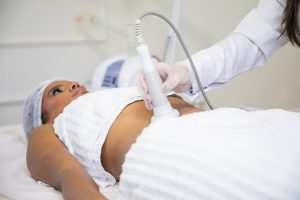
DIAGNOSIS OF UTERINE FIBROIDS
Uterine fibroids are often discovered incidentally during a routine pelvic examination. During the exam, a doctor may notice an irregularly shaped or enlarged uterus, which can suggest the presence of fibroids.
If symptoms are present, further tests may be required.
Diagnostic Tests
1. Ultrasound
This is the most common test used to diagnose uterine fibroids. It uses sound waves to produce images of the uterus, helping to:
-
Confirm the presence of fibroids
-
Determine their size, number, and location
2. Laboratory Tests
If a patient has heavy or irregular menstrual bleeding, blood tests may be ordered, including:
-
Complete Blood Count (CBC): to check for anemia caused by prolonged blood loss
Other Imaging Tests
3. Magnetic Resonance Imaging (MRI)
MRI provides detailed images of fibroids, showing their:
-
Size and exact location
-
Type of fibroid
It is often used in women with a large uterus or those approaching menopause (perimenopause) to help guide treatment decisions.
4. Hysterosonography (Saline Infusion Sonography)
Sterile saline is introduced into the uterine cavity to expand it, making it easier to:
-
Visualize submucosal fibroids
-
Examine the uterine lining
This test is especially useful for women with heavy menstrual bleeding or fertility concerns.
5. Hysterosalpingography (HSG)
This test uses a contrast dye and X-ray imaging to examine:
-
The uterine cavity
-
The fallopian tubes
It helps determine whether the fallopian tubes are open or blocked and can reveal some submucosal fibroids, especially when infertility is a concern.
6. Hysteroscopy
A small lighted instrument called a hysteroscope is inserted through the cervix into the uterus. Saline is used to expand the uterine cavity, allowing the doctor to:
-
Directly view the uterine walls
-
Assess the openings of the fallopian tubes
-
Identify fibroids within the uterine cavity
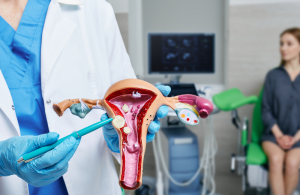
TREATMENT OF UTERINE FIBROIDS
Uterine fibroids do not always require treatment, especially if they are small and asymptomatic. Treatment depends on:
-
Severity of symptoms
-
Size, number, and type of fibroids
-
Age and desire for future fertility
Medical Treatment
Medications and hormonal therapies may be used to:
-
Shrink fibroids
-
Control symptoms such as heavy bleeding and pain
These may include:
-
Hormonal medications
-
Implants
-
Intrauterine devices (IUDs)
Procedures and Surgical Treatments
When symptoms are severe or fibroids are large, procedures or surgery may be recommended.
1. High-Intensity Focused Ultrasound (HIFU)
Uses focused ultrasound waves to destroy and shrink fibroid tissue.
2. Uterine Artery Embolization (UAE)
Blocks the blood supply to fibroids, causing them to shrink.
3. Myomectomy (Surgical Removal of Fibroids)
Removes fibroids while preserving the uterus. It can be performed via:
-
Hysteroscopy
-
Laparoscopy
This option is suitable for women who wish to have children.
4. Hysterectomy (Removal of the Uterus)
This is a permanent solution and is recommended only for women who:
-
Have completed their family
-
Do not wish to have children
CONCLUSION
Uterine fibroids are common, generally benign growths that affect many women of reproductive age. They are often manageable, and symptoms frequently reduce or resolve after menopause. Although fibroids may cause discomfort and, in some cases, complications during pregnancy, most women with fibroids can lead healthy, normal lives with appropriate monitoring and timely treatment.