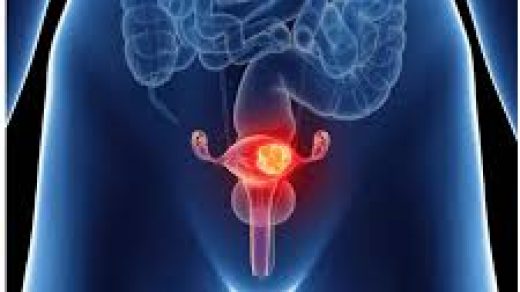
INTRODUCTION
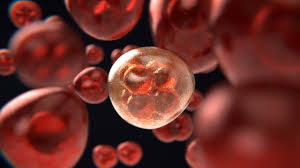
The human body can be compared to a busy city where cells act as citizens. Normal cells follow strict rules: they grow, divide, and die in a controlled manner to keep the body healthy. Cancer begins when some cells break these rules. These abnormal cells grow and multiply uncontrollably, disrupting the body’s normal balance.
As cancer cells accumulate, they form tumors, which may be benign or malignant. Benign tumors are non-cancerous and usually remain in one place, causing little harm. Malignant tumors, however, are dangerous because they invade nearby tissues and spread to other parts of the body through the blood or lymphatic system, a process known as metastasis. Therefore, cancer turns an organized cellular system into a disordered and harmful one.
WHAT IS CANCER?
Cancer is a disease caused by the uncontrolled growth and division of abnormal cells in the body. Under normal conditions, cell growth and death are carefully regulated to maintain balance. Cancer cells escape these controls, leading to rapid growth and tumor formation.
Tumors can be benign or malignant. Benign tumors are not cancerous and do not spread, while malignant tumors are cancerous and can invade surrounding tissues and spread to distant organs. Cancer is a complex disease with many types, each differing in cause, behavior, and response to treatment.
MOST COMMON TYPES OF CANCER IN NIGERIA
In Nigeria, cancer control is coordinated by the National Cancer Control Programme (NCCP) under the Federal Ministry of Health, in collaboration with organizations such as NAFDAC, NIMR, and WHO.
According to the NCCP, common cancers in Nigeria include breast cancer, cervical cancer, prostate cancer, colorectal cancer, lung cancer, ovarian cancer, stomach cancer, leukaemia, pancreatic cancer, and non-Hodgkin lymphoma.
DIAGNOSIS OF CANCER

Cancer diagnosis usually involves several medical tests. Blood tests may detect abnormal substances produced by cancer cells. Imaging tests such as CT scans, MRI, and PET scans help locate tumors, determine their size, and check if cancer has spread.
A biopsy involves removing a small tissue sample for examination under a microscope to confirm cancer. Genetic tests may also be used to identify specific mutations linked to certain cancers.
RISK FACTORS OF CANCER
Several factors increase the risk of developing cancer. These include family history, smoking, obesity, lack of physical activity, drug use, and exposure to harmful chemicals.
Smoking is a major risk factor for lung and other cancers. Obesity and a sedentary lifestyle increase the risk of cancers such as breast and colon cancer. Some cancers are inherited due to genetic mutations passed down through families. Exposure to chemicals like asbestos, especially in workplaces, can also raise cancer risk.
POSSIBLE PREVENTION OF CANCER
Cancer prevention focuses on reducing exposure to risk factors and maintaining a healthy lifestyle. Preventive measures include avoiding smoking, exercising regularly, eating a balanced diet, and maintaining a healthy weight.
Limiting alcohol intake, avoiding excessive sun exposure, and going for regular cancer screenings are also important. Vaccines such as the HPV vaccine help prevent certain cancers, especially cervical cancer.
POSSIBLE TREATMENT OF CANCER
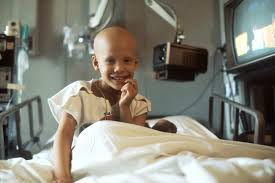
Cancer treatment depends on the type and stage of the disease. Common treatment methods include surgery, radiotherapy, chemotherapy, targeted therapy, immunotherapy, and stem cell transplantation. Sometimes, a combination of treatments is used.
Surgery involves removing the tumor and sometimes nearby lymph nodes. Radiotherapy uses high-energy radiation to destroy cancer cells. Chemotherapy uses drugs to kill rapidly dividing cancer cells, though it may cause side effects such as hair loss and nausea. Targeted therapy attacks specific features of cancer cells, while immunotherapy helps the body’s immune system fight cancer. Stem cell transplants are mainly used for blood cancers like leukaemia.
IMPACTS OF CANCER
Cancer affects individuals and families emotionally, socially, and economically. Emotionally, patients may experience fear, anxiety, depression, and uncertainty. Family members and caregivers also face emotional stress while supporting their loved ones.
Economically, cancer treatment is expensive. Many patients lose income due to illness or job loss, while medical bills create financial hardship. On a larger scale, cancer places a heavy burden on Nigeria’s healthcare system and economy, making it a major public health challenge.
CONCLUSION
Cancer is a serious disease that affects physical health, emotional well-being, and economic stability. Its impact goes beyond individuals to families, communities, and the nation. However, early detection, healthy lifestyles, preventive measures, and advances in medical treatment offer hope. With proper awareness, coordinated healthcare efforts, and strong support systems, the burden of cancer can be reduced and quality of life improved.