INTRODUCTION
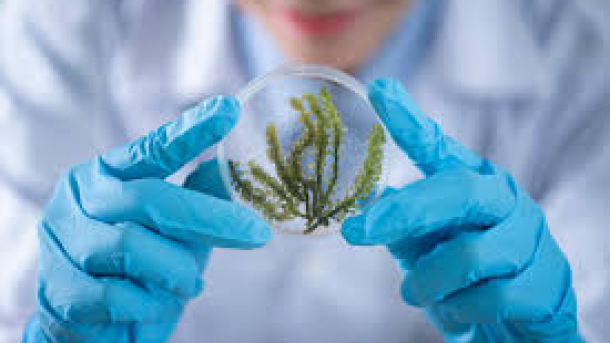
Biology is a branch of science that studies life and living organisms. It is a vast discipline that examines various aspects of living systems, including their structure, function, growth, development, evolution, and interactions with the environment.
The study of biology is increasingly important in today’s world because of its profound implications for human life and the environment. There are several key reasons for studying biology.

Importance of Studying Biology
- Human Health and Medicine
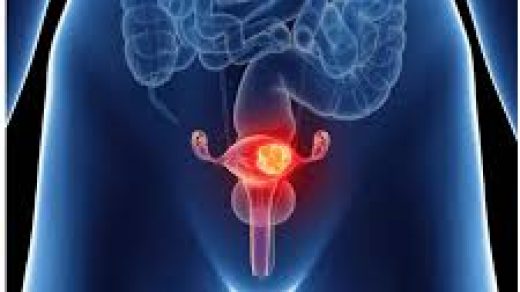
The study of biology helps in understanding human health and the development of medicines. It enables scientists to identify the causes and spread of diseases and to understand how the body responds to infections and disorders. This knowledge has led to the development of vaccines, treatments, and cures for diseases such as cancer. Advances in biological sciences, particularly genetics, have also contributed to personalized medicine tailored to individual genetic profiles. - Environmental Protection and Conservation
Biology promotes an understanding of ecosystems, species interactions, and the critical role of biodiversity. This knowledge supports the development of strategies to protect endangered species and conserve ecosystems that are essential for life on Earth. Additionally, biological studies provide insights into the effects of climate change on ecosystems and help develop sustainable solutions such as eco-friendly agricultural practices and renewable energy alternatives. - Food Security and Agriculture
Biological research has significantly improved crop and livestock production. Advances in genetics and biotechnology have enabled the enhancement of crop traits such as yield, nutritional quality, and resistance to pests and diseases, while also improving livestock health and productivity. Biology also provides knowledge of sustainable farming practices that reduce environmental impact and ensure adequate food supply for a rapidly growing population. - Biotechnology and Innovation
Biotechnology, which involves the application of biological knowledge to create new products, has become a major focus in biology. This includes the development of biofuels, biodegradable plastics, and new pharmaceuticals. Genetic modification and other biotechnological tools are used to address challenges such as food scarcity, genetic diseases, and environmental degradation. - Improving Quality of Life
The study of biology promotes healthy nutrition and lifestyle choices by explaining how the body processes food and how nutrients affect overall health. This understanding helps individuals make informed dietary decisions. Research on the brain and nervous system has also improved the treatment of mental health disorders such as depression, anxiety, and schizophrenia. - Understanding Evolution and Ecology
Biological studies of evolution explain how species change over time, providing insight into the history of life on Earth, human origins, and adaptive strategies of organisms. Ecology further explains how organisms interact with their environments, their ecological impacts, and strategies for managing environmental damage. - Advancements in Scientific Research and Education
Biology drives scientific research that deepens our understanding of life and stimulates curiosity and innovation. This growing body of knowledge informs public policy and decision-making in critical areas such as healthcare, environmental protection, and ethical considerations in science and technology.
Careers in Biology

A background in biology opens the door to a wide range of career opportunities, including:
- Research Scientist – Conducting experiments and research in fields such as genetics, microbiology, ecology, and pharmacology.
- Biotechnology Specialist – Developing biological products and technologies for medicine, agriculture, and industry.
- Environmental Consultant – Advising organizations on sustainability, conservation, and climate change mitigation.
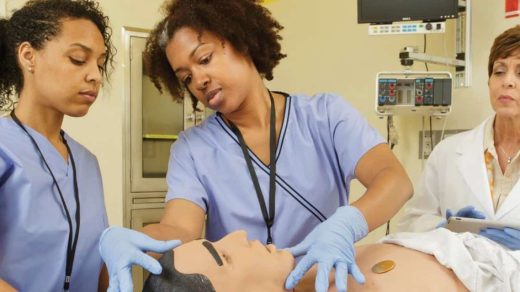
- Healthcare Professional – Careers such as doctors, nurses, and medical researchers who apply biological knowledge to diagnose and treat diseases.
- Pharmacologist – Studying the effects of drugs and substances on living organisms to develop new medical treatments.
- Marine Biologist – Researching marine organisms and ecosystems, often focusing on conservation of aquatic environments.
- Forensic Scientist – Applying biological principles to legal investigations, including DNA analysis and examination of biological evidence.
- Genetic Counselor – Providing guidance to individuals and families regarding genetic conditions and inheritance patterns.
- Ecologist – Studying interactions between organisms and their environments, with emphasis on biodiversity and conservation.
- Zoologist – Investigating animal behavior, physiology, and genetics.
- Agricultural Scientist – Improving crop yields, pest management, and sustainable farming practices.
- Biological Technician – Supporting laboratory research by collecting data and maintaining scientific equipment.
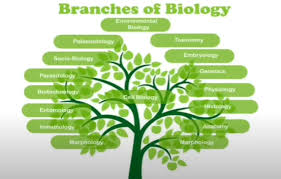
Branches of Biology

Biology comprises many specialized branches, each focusing on specific aspects of life:
- Molecular Biology – Studies the structure and function of biological molecules such as DNA, RNA, and proteins.
- Cell Biology – Examines the structure and function of cells, the basic units of life.
- Genetics – Focuses on heredity, genes, and genetic variation.
- Evolutionary Biology – Explores the origins and changes in species over time.
- Ecology – Investigates relationships between organisms and their environments.
- Physiology – Studies the functions and mechanisms of living organisms.
- Botany – The scientific study of plants.
- Zoology – The study of animals and their biological processes.
- Microbiology – Examines microorganisms such as bacteria, viruses, fungi, and parasites.
- Immunology – Studies the immune system and disease resistance.
- Biochemistry – Explores the chemical processes within living organisms.
- Neurobiology – Focuses on the nervous system and its influence on behavior.
- Developmental Biology – Studies growth and development from fertilization to maturity.
- Biophysics – Applies principles of physics to biological systems.
- Marine Biology – Studies life in marine and other saltwater environments.